
How India’s unicorns were built
The founders, the money and the methods behind India’s $1 billion companies.
The journey, stage by stage
- 1
Idea & validation
Prove a real problem exists — talk to 50+ potential customers.
- Typical time
- 0–6 months
- Team
- 1–3 founders
- Capital
- Savings, friends & family, grants
- 2
MVP & first customers
Ship the simplest version; get customers who use it repeatedly.
- Typical time
- 3–12 months
- Team
- 3–8
- Capital
- Angels, pre-seed (often ₹50 lakh–₹4 crore)
- 3
Product–market fit
Retention and word of mouth — users would be upset if you disappeared.
- Typical time
- 6–24 months
- Team
- 8–25
- Capital
- Seed (often $0.5–3M)
- 4
Series A — repeatable growth
A growth engine you can predict: spend ₹X, get Y customers.
- Typical time
- 1–2 years
- Team
- 25–80
- Capital
- Often $5–15M
- 5
Series B — scale
New cities, segments or products; build management layers.
- Typical time
- 1–2 years
- Team
- 80–300
- Capital
- Often $15–50M
- 6
Series C+ — leadership
Category leadership, profitability path, governance for IPO.
- Typical time
- 1–3 years
- Team
- 300+
- Capital
- $50M+
- 7
Unicorn ($1B valuation)
A valuation milestone — the business still has to deliver.
- Typical time
- Median several years
- Team
- Hundreds to thousands
- Capital
- Late-stage / pre-IPO
Indian unicorns founded in the last decade
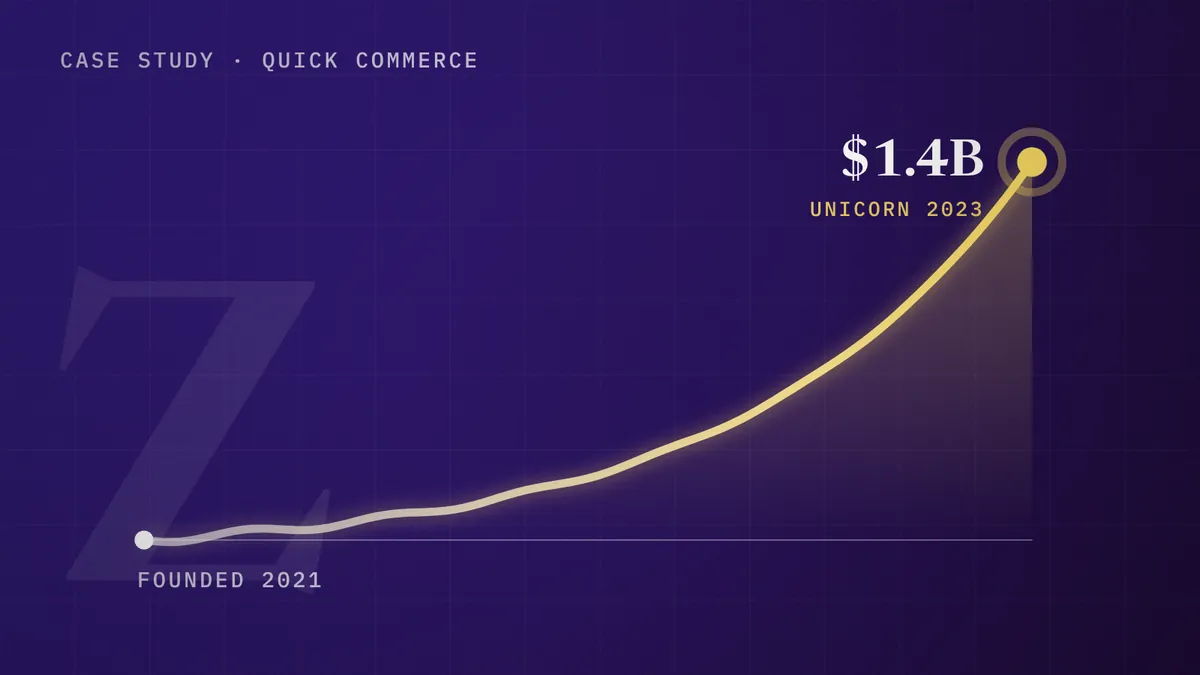 Quick commerce · Mumbai / BengaluruZepto≈2 years to $1 billion
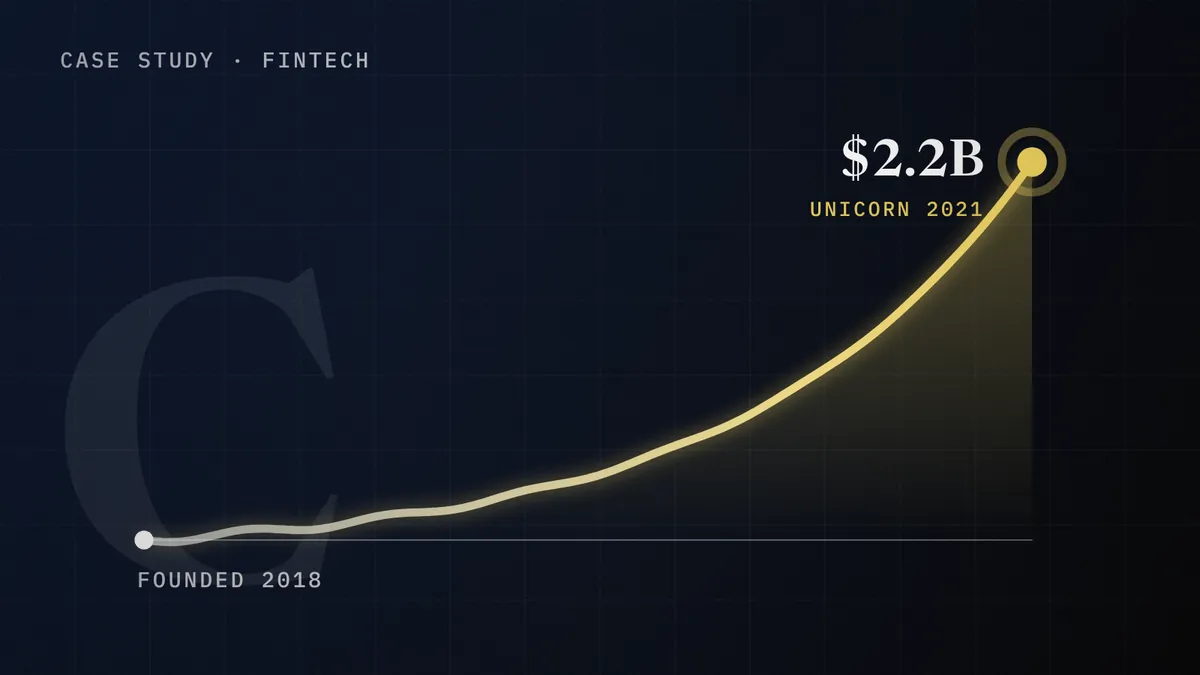 Fintech · BengaluruCRED≈3 years to $1 billion
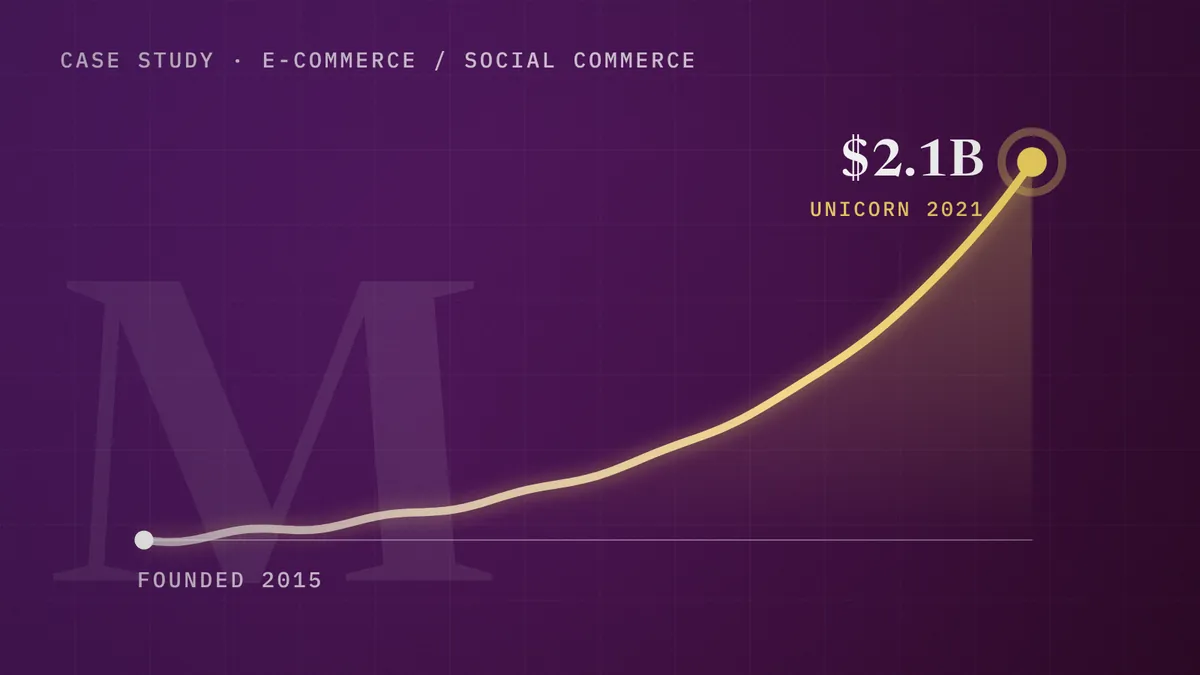 E-commerce / social commerce · BengaluruMeesho≈6 years to $1 billion
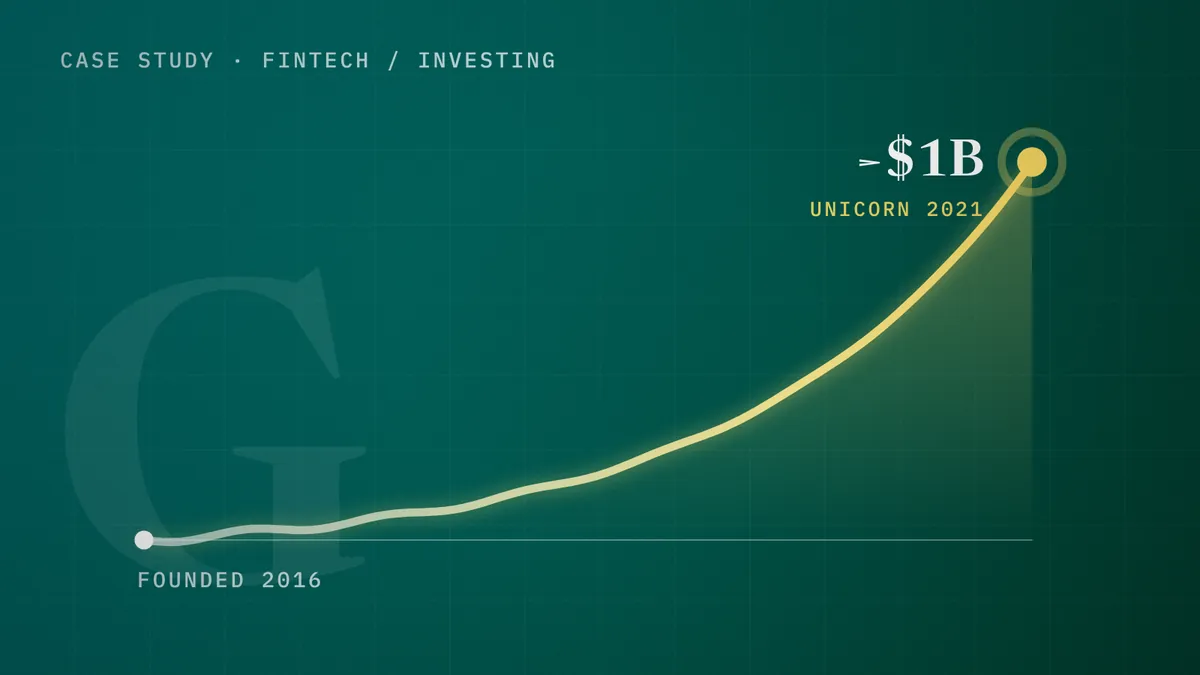 Fintech / investing · BengaluruGroww≈5 years to $1 billion
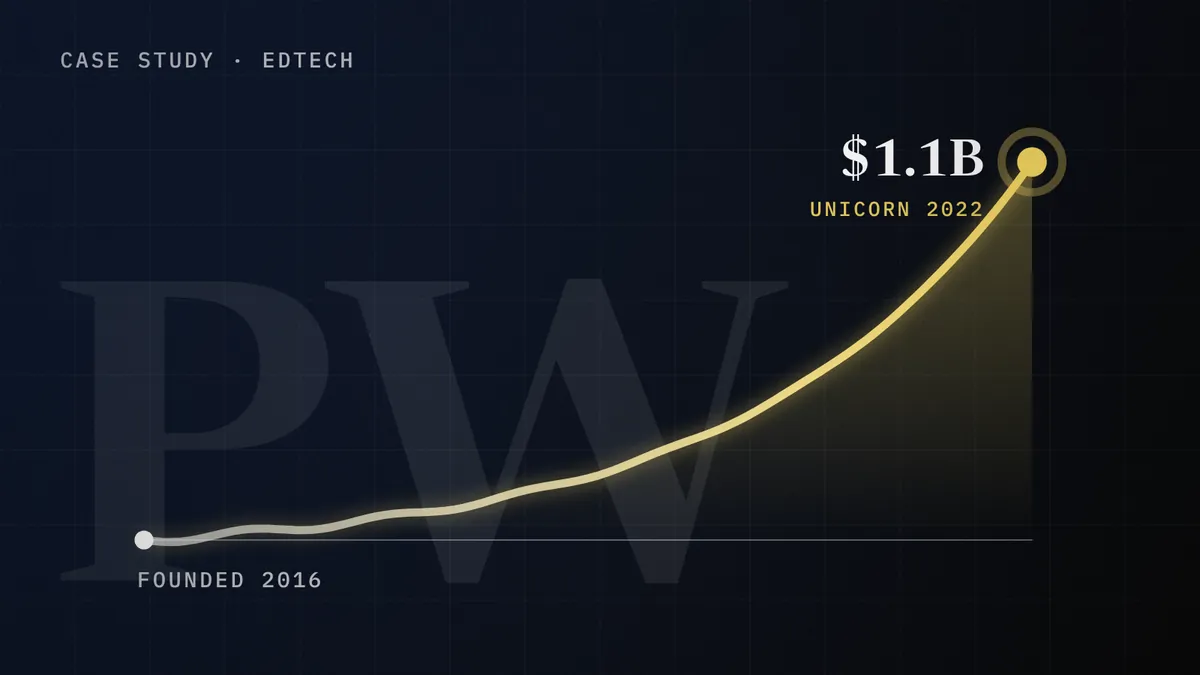 Edtech · Prayagraj / NoidaPhysicsWallah≈6 years to $1 billion
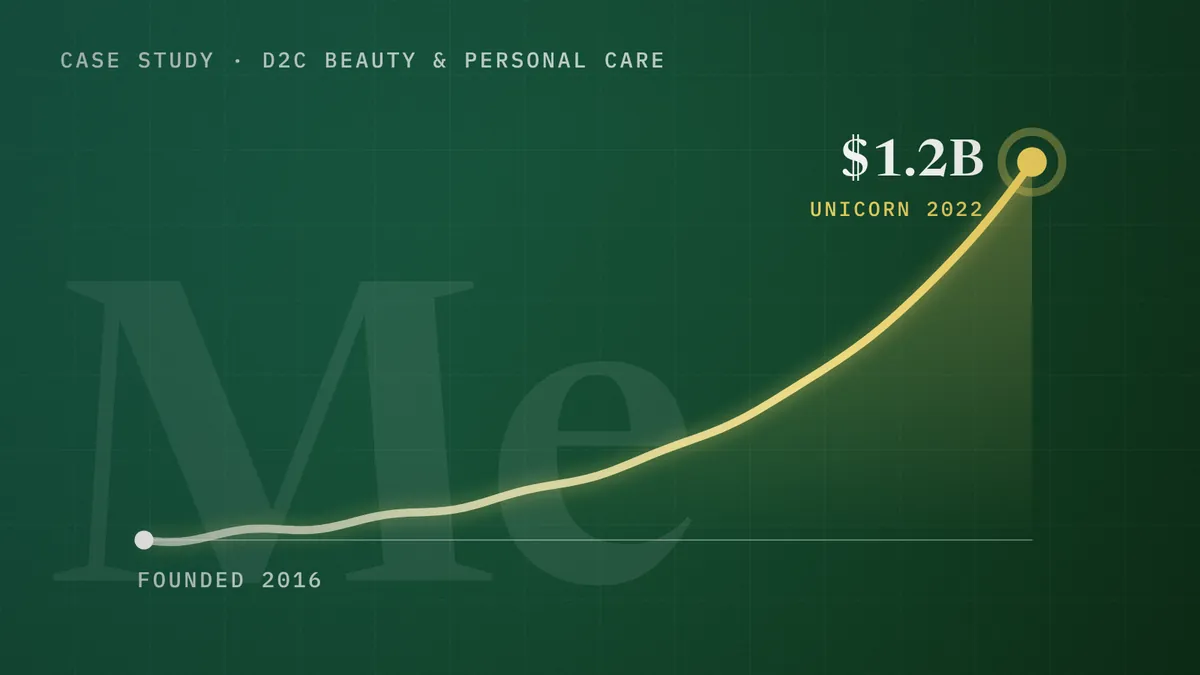 D2C beauty & personal care · GurugramMamaearth (Honasa Consumer)≈6 years to $1 billion
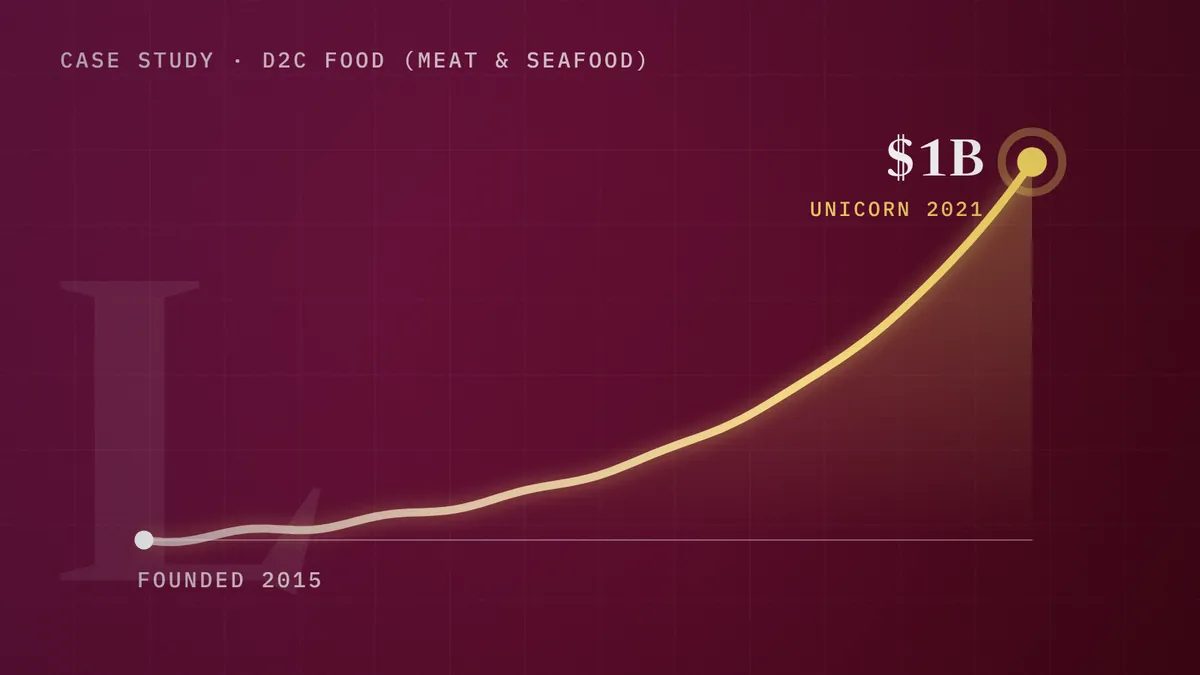 D2C food (meat & seafood) · BengaluruLicious≈6 years to $1 billion
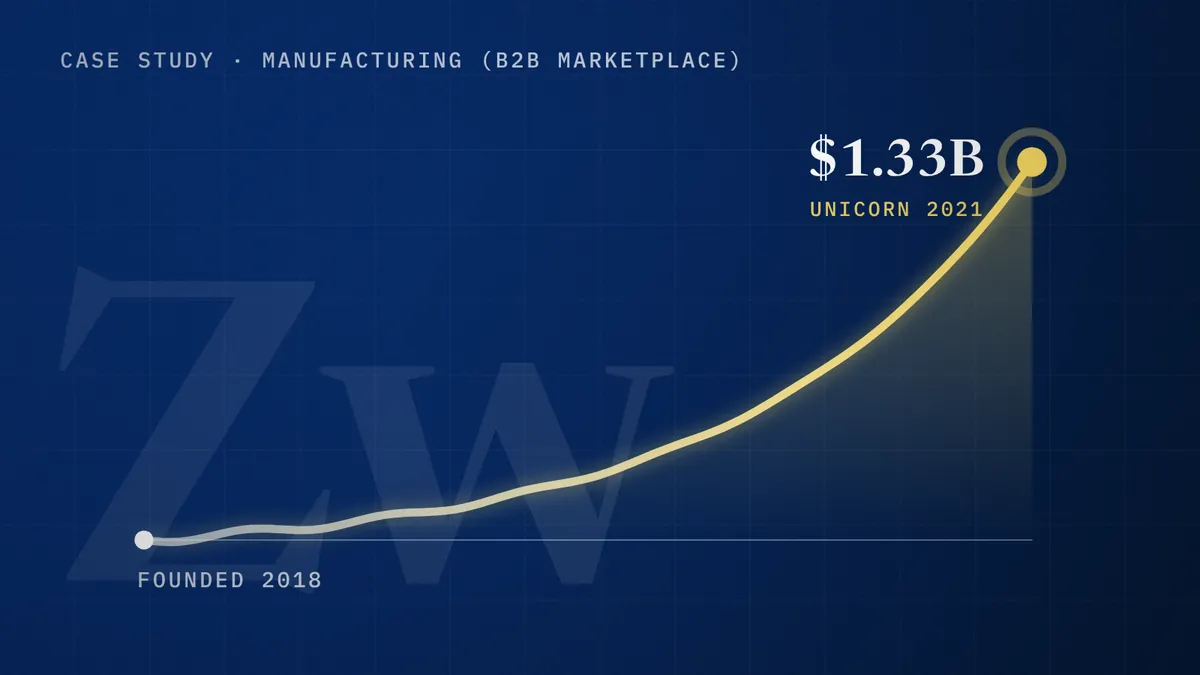 Manufacturing (B2B marketplace) · BengaluruZetwerk≈3 years to $1 billion
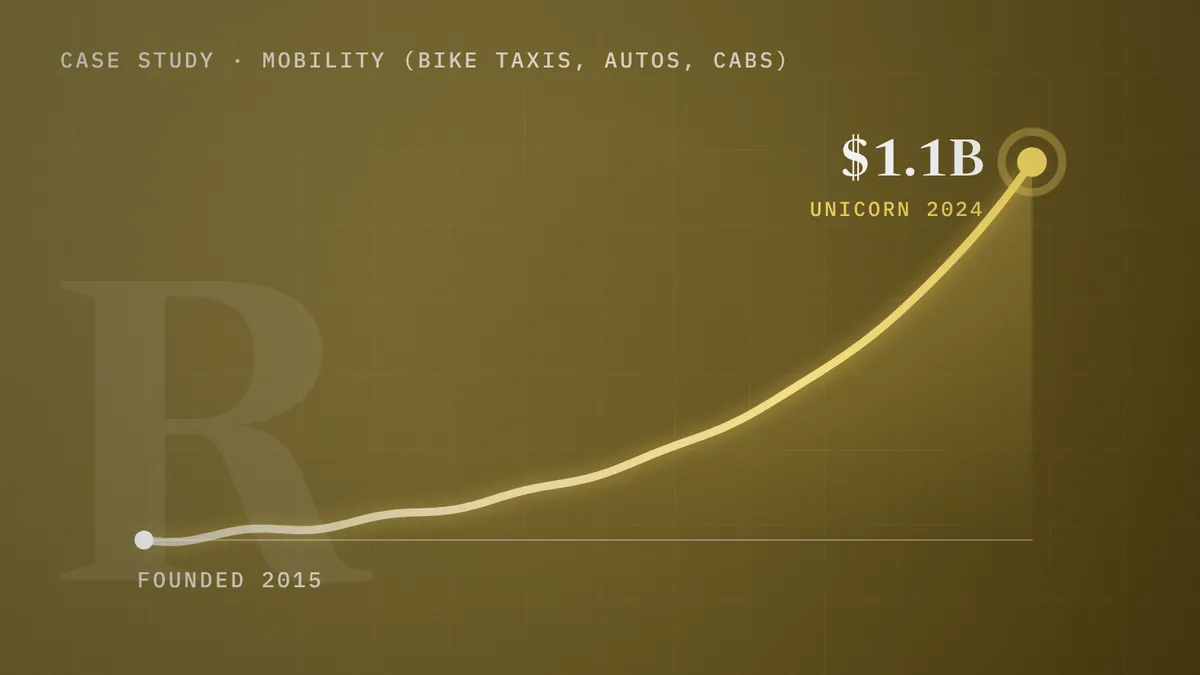 Mobility (bike taxis, autos, cabs) · BengaluruRapido≈9 years to $1 billion
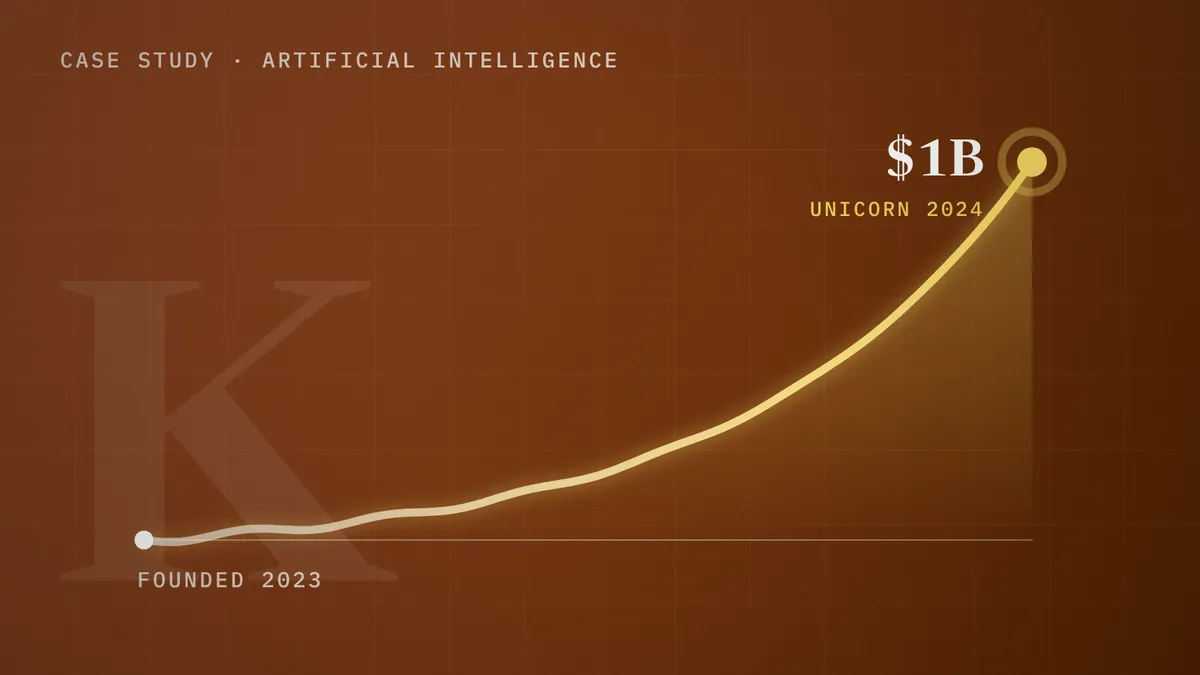 Artificial intelligence · BengaluruKrutrim≈0.8 years to $1 billion
Global benchmarks
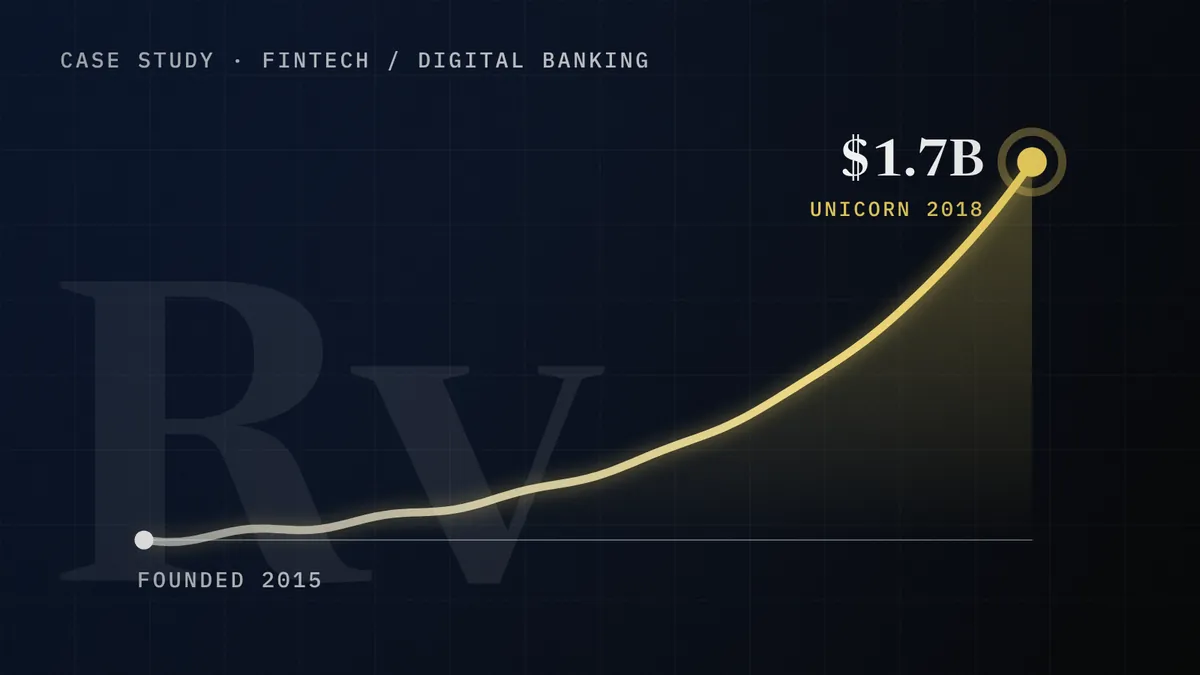
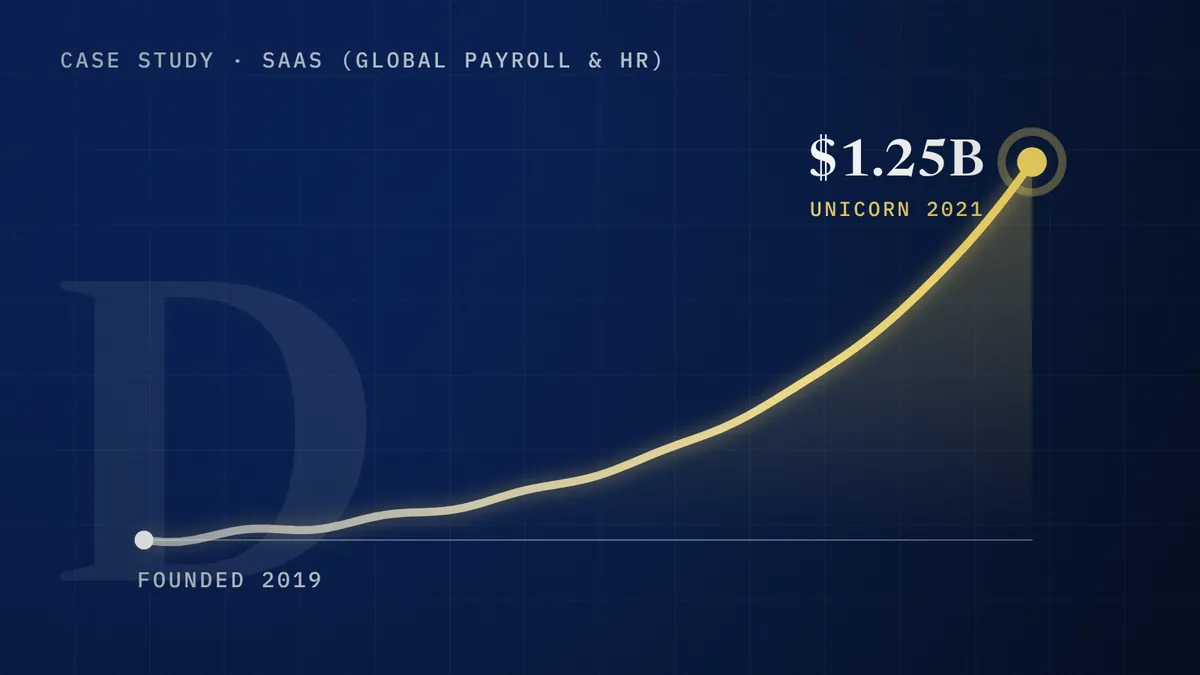
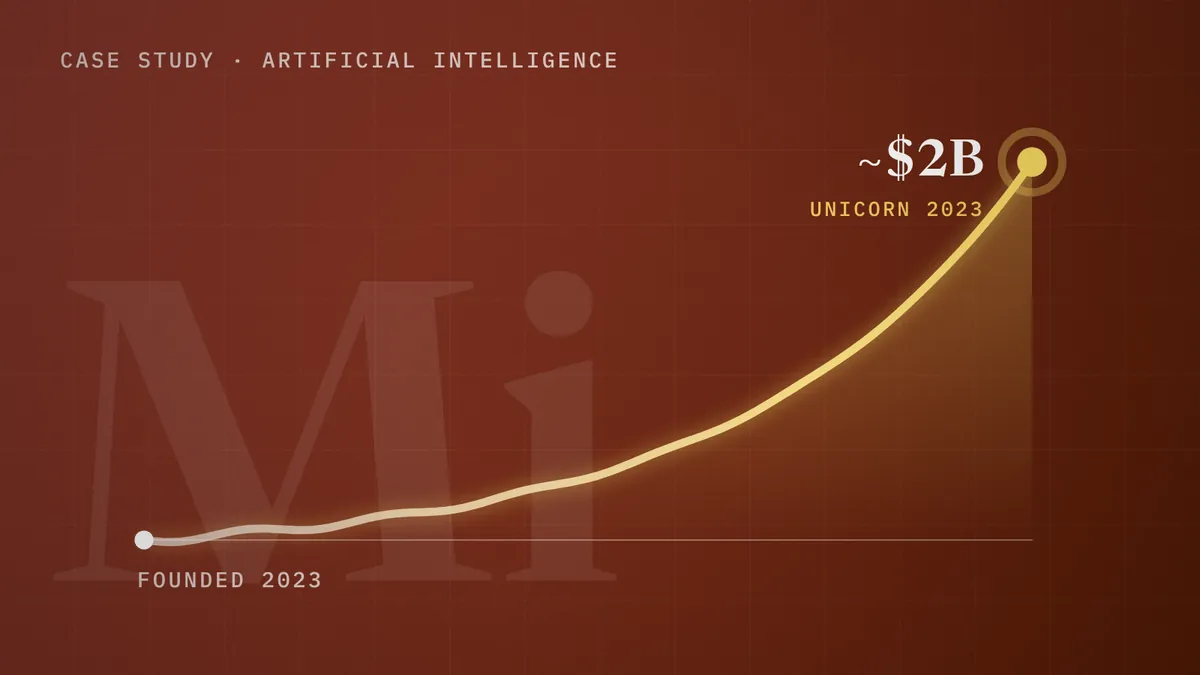
Time from founding to unicorn
What most of these companies have in common
A sharp, painful problem
Hygiene in meat, confusing investing, slow groceries, unaffordable coaching. Specific beats generic.
Willingness to pivot
Meesho and Zepto both changed their model after early experiments taught them something.
A distribution edge
Content (PhysicsWallah, Groww), resellers (Meesho), influencers (Mamaearth), exclusivity (CRED).
Operations as a moat
Dark stores, cold chains and factory networks are hard to copy.
Capital matched to the model
Some raised big and early; PhysicsWallah grew on revenue first. Both can work.
⏳ Timing and persistence
UPI, cheap data and the pandemic created tailwinds — but many founders also survived long, hard years.
These case studies are educational summaries based on public reporting (sources on each page). Company logos and names are trademarks of their owners; The Revenue is not affiliated with these companies. Valuations are as reported at the time and may have changed.